
📌 Quick Summary
The global technology ecosystem is undergoing a rapid transition driven by localized artificial intelligence, advanced neural processor chips, and upgraded mobile and desktop operating systems. Today’s report highlights groundbreaking hardware reveals, including high-efficiency mobile processors and spatial computing gear, alongside major software updates from Apple, Google, and Microsoft. Additionally, we evaluate macro trends across semiconductor manufacturing, cloud data centers, and global technology regulations. Designed for tech enthusiasts and industry professionals alike, this briefing synthesizes complex technical specifications, market dynamics, and software enhancements into actionable insights shaping the digital landscape.
Table of Contents
The convergence of generative artificial intelligence and high-efficiency hardware is reshaping consumer electronics and enterprise IT infrastructure. Device manufacturers are moving away from complete reliance on cloud-based processing, opting instead for powerful, on-device Neural Processing Units (NPUs). This structural shift improves transaction speed, bolsters privacy, and enables real-time media processing without continuous server pinging. Today’s tech landscape reveals significant updates across smartphone hardware, silicon engineering, spatial computing, and system software, signaling a mature phase in the personal technology cycle.
New Gadgets and Hardware Announcements
Hardware innovation this season is dominated by dedicated neural silicon, ultra-dense battery technologies, and refined foldable display architectures. Leading manufacturers are emphasizing processing density over pure gigahertz race strategies, optimizing thermal profiles to sustain heavy on-device machine learning operations.
Flagship Smartphones and On-Device Neural Engines
The latest generation of premium smartphones features System-on-Chips (SoCs) fabricated on advanced 3-nanometer processes. These processors integrate dedicated neural engines capable of handling trillions of operations per second (TOPS), drastically reducing latency for generative tasks such as live voice translation, contextual photographic rendering, and predictive interface actions.
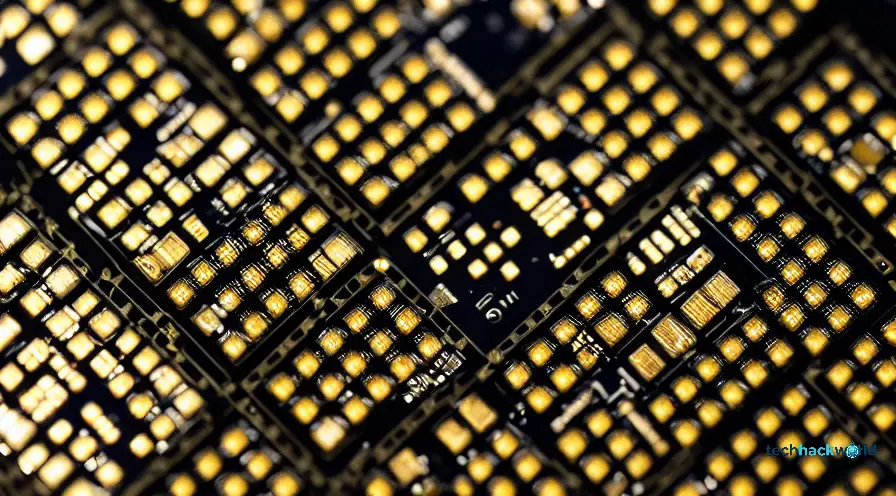
According to research highlighted by Reuters Technology, mobile chip designers are allocating up to 30% more die surface area specifically to NPUs. This transition enables complex large language models (LLMs) to run locally within tight power budgets, preserving battery health while keeping user telemetry isolated on the device.
Wearable Ecosystems and Spatial Audio Interfaces
Beyond traditional glass-slab mobile devices, smart wearables are expanding into specialized medical-grade health monitors and lightweight spatial computing peripherals. Modern smartwatches now feature dual-frequency GPS modules, non-invasive metabolic monitoring algorithms, and extended battery modes optimized by ambient light micro-solar cells.
Simultaneously, lightweight augmented reality (AR) glasses are gaining commercial traction. By utilizing micro-LED displays and custom spatial audio arrays, these wearables overlay navigation vectors, live captions, and notifications directly into the user’s field of view without introducing significant visual fatigue or operational lag.
Hardware Specifications Matrix
To better understand how current mobile and wearable platforms compare, the following specs matrix outlines critical architectural parameters across current flagship standards:
| Platform Category | Fabrication Process | NPU Performance | Primary Focus Area | Thermal Architecture |
|---|---|---|---|---|
| Flagship Smartphones | 3nm TSMC / Samsung Node | 45–50 TOPS | On-device generative LLMs & real-time video processing | Vapor chamber with graphite heat dissipation |
| Ultraportable Laptops | 3nm / 4nm Architectures | 40–60 TOPS | Multitasking, background code compilation, local AI rendering | Dual-fan active air cooling or fanless copper spreaders |
| Next-Gen Wearables | 4nm / 5nm Low-Power Nodes | 10–15 TOPS | Continuous biometric analytics & real-time voice synthesis | Passive chassis radiation |
Software Releases and Operating System Updates
Hardware capabilities are only as effective as the underlying software frameworks that expose them to applications. Recent updates across major desktop and mobile operating systems demonstrate a unified vision: seamless multi-device continuity, contextual system intelligence, and tightened security perimeters.
Mobile Platforms: Intelligent System Interfaces
Both iOS and Android have released significant system updates prioritizing system-level AI integration. Apple’s modern software ecosystem updates, documented extensively on the official Apple Developer Portal, emphasize contextual awareness, permitting local applications to reference user activity logs securely via sandboxed APIs.
On the Android ecosystem side, Google’s continuous feature drops focus on multi-modal interaction. Users can now query live video streams on-screen, auto-summarize extended audio transcripts, and automatically filter incoming spam communications using real-time vocal analysis engines.
Desktop Systems: Enterprise Security and Modular Workflows
Desktop platforms from Microsoft and various Linux distributions are doubling down on zero-trust enterprise security and modular memory management. Windows 11 updates introduce enhanced taskbar automation, deeper cloud storage sync, and hardware-enforced memory integrity mechanisms aimed at stopping zero-day exploits before execution.
Key software additions across both mobile and desktop platforms include:
- System-wide Summarization Tools: Extracting key points from emails, web pages, and long documents directly at the system UI layer.
- Adaptive Battery Management: Utilizing machine learning to predict user app usage patterns and dynamically throttles background tasks.
- Enhanced Cryptographic Protection: Implementation of post-quantum encryption algorithms across system keychains and communication channels.
- Unified Device Handoff: Smooth drag-and-drop file transfers, shared clipboards, and low-latency audio switching across ecosystem accessories.
Tech Industry Shifts and Macro Trends
While consumer devices grab headlines, underlying macroeconomic forces and geopolitical shifts continue to govern the trajectory of global technology. Supply chain diversification, energy constraints for data infrastructure, and evolving regulatory environments are requiring corporate agility.
Semiconductor Manufacturing and Global Supply Chains
The global semiconductor sector is actively expanding geographical footprint to avoid single-point failure risks in supply chains. New fabrication facilities in Europe, North America, and Southeast Asia are coming online, supported by governmental legislative incentives designed to bolster domestic chip production.
As detailed by tech industry reporting on TechCrunch, advanced packaging techniques like 3D chiplet stacking are proving vital for scaling silicon performance as traditional Dennard scaling slows down. Chiplet architectures allow engineers to combine specialized functional units fabricated on different process nodes into a single high-performance package, controlling manufacturing costs while boosting yield rates.
Data Infrastructure and Sustainable Compute
The massive computational demands of modern machine learning workloads have put immense pressure on global electrical grids and data center capacity. Hyper-scalers are increasingly investing in dedicated nuclear power purchase agreements, advanced immersion liquid cooling systems, and specialized ASIC hardware to maintain operational sustainability while lowering operational expenditures.
Furthermore, regulatory bodies around the globe are drafting stricter compliance standards regarding energy disclosure, AI model transparency, and data sovereignty. Companies seeking to deploy intelligent services internationally must now navigate complex localized frameworks governing standard storage practices, copyright boundaries, and bias auditing protocols.
Frequently Asked Questions
What is an NPU and why is it important for modern gadgets?
An NPU, or Neural Processing Unit, is a specialized hardware accelerator engineered specifically to handle matrix math operations required for artificial intelligence and machine learning algorithms. Unlike traditional CPUs or GPUs, NPUs complete complex AI workloads like speech recognition, image generation, and natural language processing while consuming significantly less electrical power.
How do modern smartphones handle on-device AI without draining battery fast?
Modern smartphones rely on high-efficiency micro-architectures, dedicated low-power NPUs, and precise dynamic voltage scaling. By keeping lightweight AI operations on specialized silicon blocks rather than spinning up power-hungry main CPU cores, devices can perform continuous background intelligence without severely reducing overall battery life.
Are operating system updates safe to install as soon as they release?
Major operating system updates undergo extensive beta testing, but early release versions can occasionally introduce minor software bugs, app compatibility issues, or initial battery drain. For mission-critical personal devices or enterprise workstations, waiting for the first minor bug-fix patch (e.g., x.1 releases) is often recommended to ensure maximum stability.
What is spatial computing and how does it differ from traditional virtual reality?
Spatial computing blends digital content seamlessly into the physical world, relying on real-time spatial mapping, gesture tracking, and passthrough optics. While traditional virtual reality completely replaces the physical surroundings with a digital environment, spatial computing allows users to interact with floating digital displays, 3D objects, and interfaces integrated directly into their actual physical room.